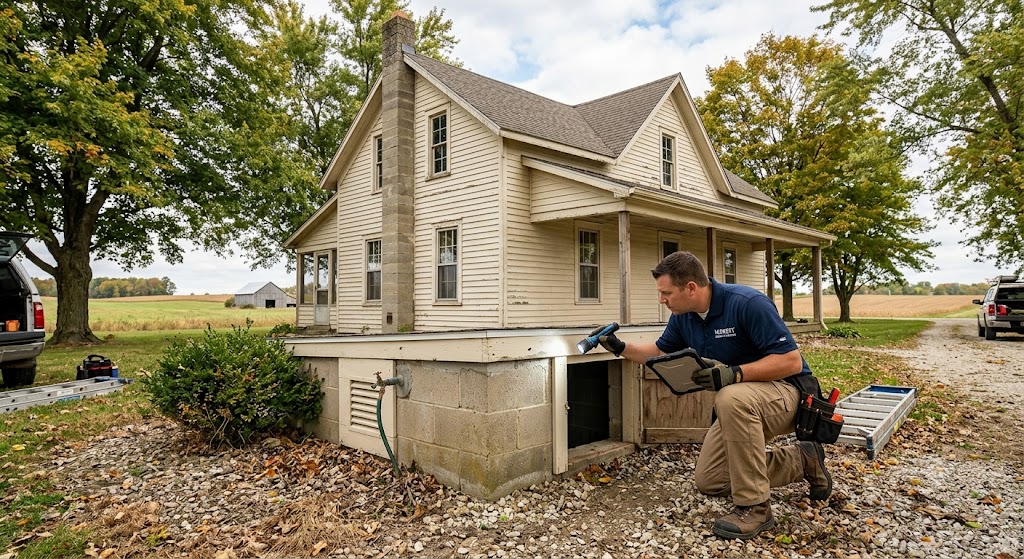
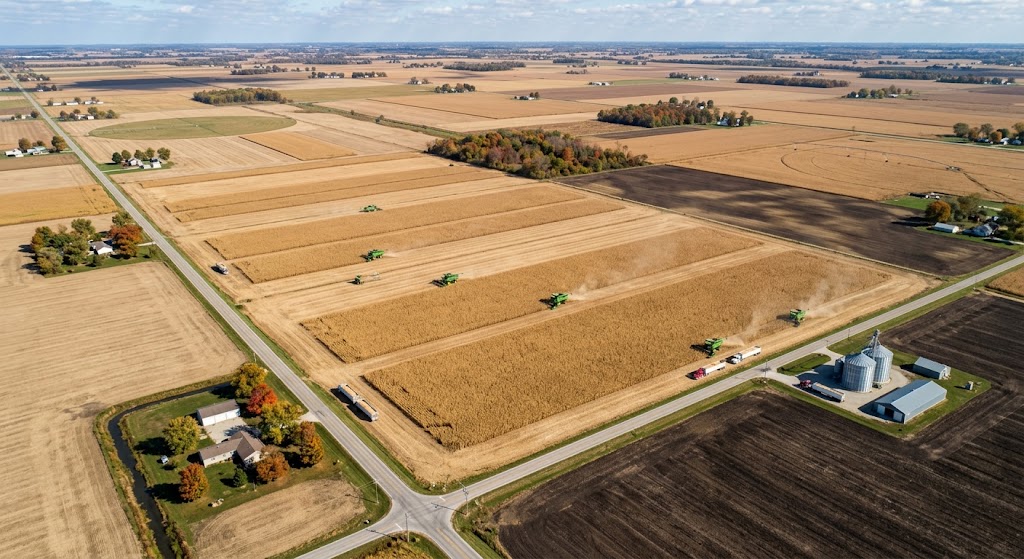
Selling a house and selling farm ground are not the same transaction wearing different clothes — they’re different transactions entirely. A residential agent prices your home against five recent sales on the same street and lists it on the MLS. Farm ground doesn’t work that way: comparable sales are thin, buyers are a narrower pool of working farmers and investors, and the number that actually closes a deal often has nothing to do with what the county has your land assessed at. As an Indiana Certified Appraiser since 2006 and a REALTOR® who’s sold farm and acreage property across nine West Central Indiana counties, I sell farm ground the way I’d underwrite it — not the way a typical listing gets priced.
By John Downey, Certified Appraiser & Top Realtor
Why Farm Ground Sells Differently Than a House
Rural and agricultural appraisers exist as a distinct specialty for a reason: valuing ranchland, row-crop ground, and mixed-use acreage takes a different skill set than valuing a three-bedroom colonial. As the ASFMRA and agricultural lenders put it, agribusiness appraisal “takes a very high level of appraisal expertise,” and the specialists who do it well are the ones familiar with both the geography and the property type in front of them. That’s not a knock on general-practice agents — it’s just a different discipline, the same way a family doctor and a cardiologist are both real doctors.
For sellers, that specialization shows up in three practical ways:
- Thin comps. A given tract of farmland might trade once every few years in a given township. You can’t pull five closed comps from the last 90 days the way you can with a subdivision home.
- A narrower, more sophisticated buyer pool. Farm buyers are often neighboring operators, investors, or estate-adjacent buyers who know the ground, the drainage, and the rent roll better than most agents do.
- Lenders who require real appraisal rigor. Agricultural and farm-credit lenders typically require an appraisal from someone qualified in rural and agricultural property before they’ll fund a purchase — not a drive-by estimate. If your listing price and a lender’s appraisal diverge too far, the deal doesn’t just get renegotiated — it can fall apart at the finish line.
How I Price a Farm Listing
I don’t price farm ground off a countywide per-acre average, and neither should you let an agent do it to your property. I start with the same inputs I’d use for a formal appraisal: WAPI-adjusted soil productivity, drainage infrastructure, legal access, tillable ratio, and recent closed comparable sales within the region — not listing prices, not assessed values. I’ve written about how that scoring actually works in how farm land is appraised in Indiana, and about what agricultural ground has actually been trading for in Montgomery County if you want the current regional numbers — I won’t repeat them here, since they shift with every survey cycle and you should always check the latest figures before pricing.
The goal is simple: your list price should already be defensible to an independent appraiser before a buyer’s lender ever orders one. That’s the same principle behind why a certified appraiser as your listing agent changes home pricing — it just matters even more on farm ground, where the appraisal gap between “what an agent guessed” and “what a rural appraiser confirms” tends to be bigger.
What to Expect When You List
Timeline. Farm and acreage listings typically move on a slower, more seasonal clock than residential — buyers often want to walk ground before planting or after harvest, and closings get timed around crop years and lease terms more than they do around a 30-day mortgage clock.
Marketing to the right pool. A farm listing doesn’t need more eyeballs — it needs the right eyeballs. That means direct outreach to neighboring operators and known regional buyers, not just an MLS entry and a yard sign. If your buyer is a farmer two townships over who’s been eyeing your ground for a decade, that’s often a call, not a click.
Existing leases and CRP contracts. If your ground is cash-rented or enrolled in a USDA conservation program, that needs to be disclosed and factored into both pricing and timing — a buyer’s financing and closing timeline can shift significantly around an active lease.
Avoiding both underpricing and overpricing. Overpriced farm ground sits, and once serious buyers have seen the number and walked away, getting them back is hard. Underpriced ground can sell fast — for less than it was worth. Because there’s often no second look once a knowledgeable buyer has passed, getting the number right the first time matters more on farm ground than almost anywhere else in real estate.
A Note on Taxes and Structuring the Sale
Some farm sellers structure a sale as a 1031 like-kind exchange to defer capital gains tax by rolling proceeds into another qualifying property, provided the property was held for business or investment use and the strict 45-day identification and 180-day closing windows are met. This is a real option worth discussing early — not after you’ve already accepted an offer, since exchange timing has to be built into the closing schedule from the start. I’m not a tax advisor, and this isn’t tax advice — talk to your CPA or a qualified intermediary before you list if a 1031 exchange might be part of your plan.
If You’re Ready to List
If you’re weighing whether to sell farm ground anywhere in Montgomery, Boone, Tippecanoe, Hendricks, Parke, Putnam, Fountain, Warren, or Vermillion County, I’ll walk the numbers with you before we ever talk about a listing price — appraiser-grade, not agent-guess. And if you’re on the buying side of a future deal instead, my guide to buying farm land in West Central Indiana covers the due-diligence side you’ll want to know. Call or text (765) 230-6335, or request a free valuation to get started.
This post discusses general considerations for selling farm and agricultural property in Indiana as of September 2026, including a brief mention of 1031 exchange rules. It is not legal, financial, or tax advice — 1031 exchange eligibility and timing rules are strict and fact-specific, and any seller considering one should consult a CPA or qualified intermediary before listing.