West Central Indiana spans nine counties with very different character: Montgomery (Crawfordsville) offers small-town affordability, Boone (Zionsville/Whitestown/Lebanon) offers Indianapolis-suburb luxury and growth, Tippecanoe (Lafayette/West Lafayette) is a Purdue University college-town market, and Hendricks (Plainfield/Avon/Danville) offers the shortest Indianapolis commute. Parke, Fountain, Vermillion, and Warren counties are more rural, with Putnam offering a middle ground of small-town character and larger lots.
By John Downey, Certified Appraiser & Top Realtor
Nine counties, one guy who actually works all of them. That's not a brag — it's the reason people ask me this question in the first place. Most agents cover one town, maybe two. I cover Montgomery, Boone, Tippecanoe, Hendricks, Putnam, Parke, Fountain, Vermillion, and Warren, which means I get asked "where should I actually live?" more than almost any other question.
There's no single right answer — it depends on whether you want a walkable college town, a fast-growing Indianapolis suburb, or forty acres and total quiet. Here's the honest rundown of each, county by county, so you can figure out which one is actually right for you before you start touring homes.
Crawfordsville & Montgomery County — Small-Town Character, Big Affordability
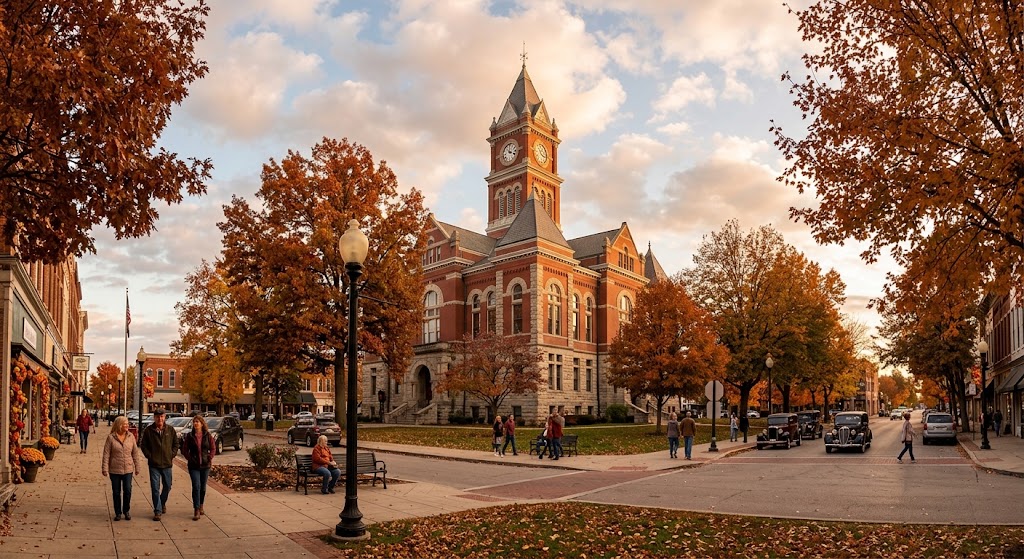
This is home base for me — I've lived and worked here since 2006. Crawfordsville carries the "Athens of Indiana" nickname thanks to Wabash College, and the town blends a walkable historic downtown with genuine small-town community life. Homes here have typically listed in the high-$200,000s in 2026, with plenty of entry points below that depending on the neighborhood.
Who it's right for: Buyers who want small-town character without sacrificing affordability, and who don't mind a roughly hour-long drive to Indianapolis when they need it. I've written a full guide to moving to Crawfordsville covering neighborhoods, cost of living, and commute specifics if this is your leading candidate.
Browse Montgomery County homes →
Boone County — Zionsville's Luxury, Lebanon's Value, Whitestown's Growth
Boone County isn't one market — it's three. Zionsville anchors the upper end, with brick-street charm and home prices typically running from the $400s well past $1M; it's consistently ranked among Indiana's best places to live, and you pay for it. Whitestown is one of the fastest-growing communities in the state right now, with new construction pushing prices lower than Zionsville while still riding the same I-65 growth corridor. Lebanon, the county seat, offers a more affordable, established small-city feel.
Who it's right for: Buyers who want proximity to Indianapolis and top-rated schools and are willing to pay a premium for it (Zionsville), or buyers chasing new construction at a more accessible price point (Whitestown/Lebanon).
Lafayette & West Lafayette — Tippecanoe County's College-Town Market
Purdue University drives this market year-round — faculty, staff, grad students, and parents buying near campus keep demand steady in a way few other West Central Indiana markets can match. Lafayette runs more affordable, with home values that recent data puts in the mid-$200,000s. West Lafayette, right next to campus, commands a real premium — figure roughly $300,000–$400,000 depending on the neighborhood and school zone, with homes near Happy Hollow and Cumberland Elementary moving especially fast.
Who it's right for: Buyers connected to Purdue in any capacity, or anyone who wants a genuine college-town atmosphere with more diverse inventory than a typical suburb.
Browse Tippecanoe County homes →
Plainfield, Avon & Danville — Hendricks County's Indianapolis Commute
Hendricks County is the classic westside Indianapolis suburban spillover, and it's one of my most active counties for exactly that reason. Countywide, the median has been running around $375,000. Plainfield tends to run more affordable with a broader mix of historic and newer homes. Avon sits a bit higher, with newer subdivision construction and strong schools driving demand. Danville, the county seat, offers a smaller-town feel while staying inside easy commuting range of I-70 and I-465.
Who it's right for: Buyers who work in Indianapolis but want more house for the money than they'd get inside the 465 loop, without going full rural.
Browse Hendricks County homes →
Greencastle & Putnam County — Small-Town Character, Rural Parcels
Putnam County offers a quieter, more rural alternative with genuine small-town character centered around Greencastle and DePauw University. Lot sizes run larger here than in the Indianapolis-adjacent counties, and rural and hobby-farm parcels are common.
Who it's right for: Buyers who want space and a slower pace without leaving West Central Indiana's commute range entirely.
Rockville & Parke County — Covered Bridges and Rural Acreage
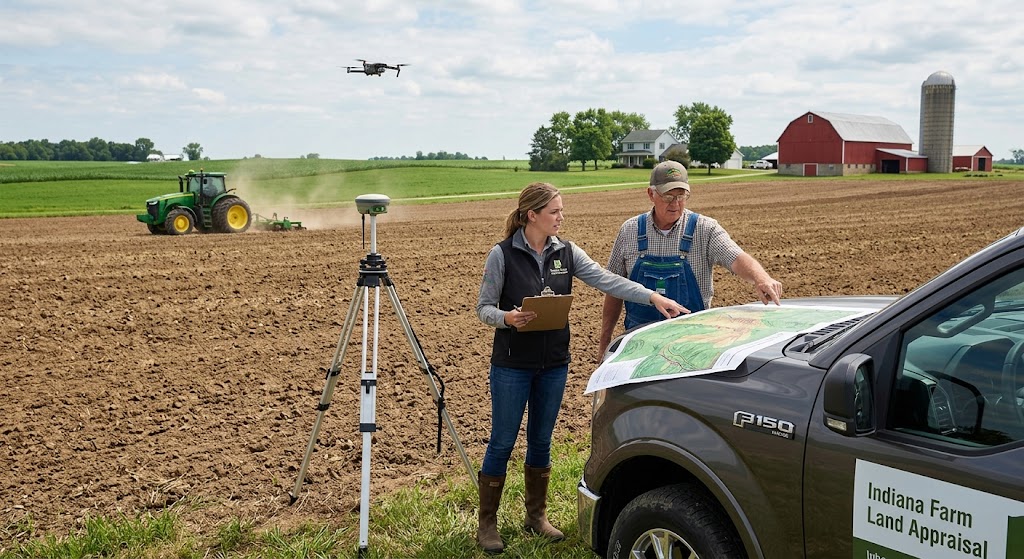
Parke County is rural character defined — this is covered-bridge country, and the tourism draw around that reputation hasn't changed the fundamentally rural, low-inventory nature of the housing market here. If you're looking at acreage rather than a subdivision lot, this is genuinely one of my specialties; I cover the details of evaluating rural land in my complete guide to buying farm land in West Central Indiana.
Who it's right for: Buyers prioritizing acreage, privacy, and rural character over commute convenience.
Covington & Fountain County — Agricultural Indiana at Its Core
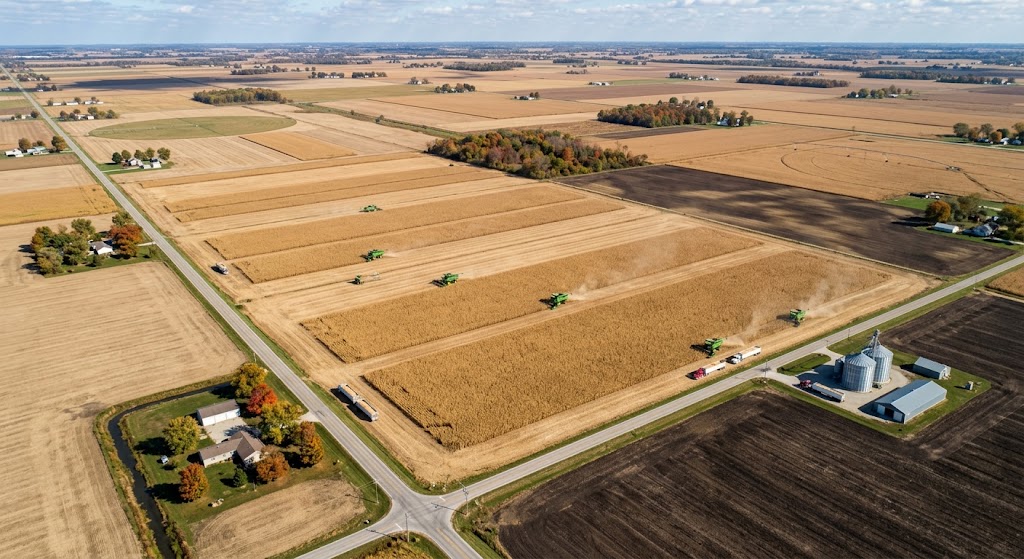
Fountain County is agricultural-dominant with lower overall inventory — this is farm country first, residential market second. If land value and productivity matter more to you than square footage, the same guide referenced above covers WAPI scores, drainage, and CRP contracts in detail.
Who it's right for: Buyers focused on farmland, agricultural investment, or a genuinely rural residential lifestyle.
Browse Fountain County homes →
Newport & Vermillion County — The Indiana-Illinois Border Market
Vermillion County sits right on the Indiana-Illinois line, which makes it a slightly different animal — buyers here are often weighing proximity to both states, not just West Central Indiana. Inventory is limited and rural residential and investment properties make up a meaningful share of activity.
Who it's right for: Buyers with ties to both Indiana and Illinois, or investors looking at rural residential opportunities.
Browse Vermillion County homes →
Williamsport & Warren County — Indiana's Quietest Market
Warren County is the smallest, quietest market I cover — low inventory and a strong lean toward agriculture and larger land parcels. This isn't a market you shop casually; when something comes up that fits, you need to move on it.
Who it's right for: Buyers specifically seeking farmland or large rural parcels who don't need to be near a larger town.
Frequently Asked Questions
What is the best county to live in near Indianapolis in West Central Indiana?
Boone and Hendricks counties offer the shortest commutes into Indianapolis while still being part of John Downey's West Central Indiana coverage area. Boone (Zionsville, Whitestown, Lebanon) leans higher-end; Hendricks (Plainfield, Avon, Danville) offers a broader range of price points.
Where is the most affordable place to live in West Central Indiana?
Montgomery County (Crawfordsville) and Fountain County are generally the most affordable, with Montgomery offering more established town infrastructure and Fountain leaning more rural and agricultural.
What county is best for buying farmland in West Central Indiana?
Parke, Fountain, and Warren counties have the highest concentration of agricultural and rural acreage listings. See the full farm land buying guide for how to evaluate a specific parcel.
Is Lafayette or West Lafayette, Indiana better to live in?
It depends on budget and priorities. West Lafayette sits closer to Purdue's campus and commands higher prices, especially in top school zones. Lafayette is more affordable with a broader range of housing stock and a lower overall cost of living.
Let's Find Your County
I can't tell you which of these nine is right for you from a blog post — that's a conversation, not a checklist. But if one of these descriptions sounded like home, that's exactly where to start.
Call or text: (765) 230-6335 Contact John Downey →