A standard Indiana home inspection is a visual, non-invasive check of a home's major systems and does not cover well water, septic systems, or radon — these require separate testing. Indiana requires inspectors to be licensed under Indiana Code § 25-20.2, and roughly one in three Indiana homes tests above the EPA's radon action level.
By John Downey, Certified Appraiser & Top Realtor
Most buyers think their inspector and their appraiser are doing the same job with different paperwork. They're not — and mixing the two up is one of the more expensive misunderstandings I see in this business. As both an Indiana Certified Appraiser and your REALTOR®, I get asked "what's actually going to happen" more on inspection day than almost any other point in the transaction. I go deeper on how the appraisal side of that distinction changes pricing outcomes in Why Having a Certified Appraiser as Your REALTOR® Changes Everything About Pricing Your Home — here's the inspection side, plainly.
Appraiser vs. Inspector: Two Different Jobs, Two Different Licenses
An appraiser determines what a property is worth. A home inspector determines what a property's condition actually is. They're licensed separately: Indiana requires home inspectors to hold a state license through the Indiana Professional Licensing Agency under Indiana Code § 25-20.2, which requires passing the National Home Inspector Examination and maintaining general liability insurance. Many Indiana inspectors also carry a voluntary ASHI or InterNACHI certification on top of that state floor.
What's Actually Covered in a Standard Inspection
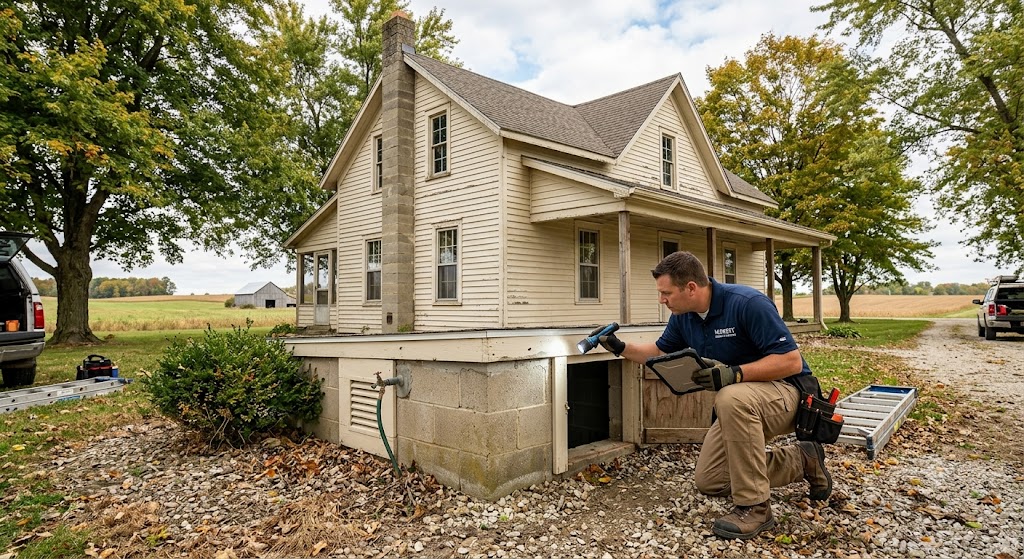
A standard Indiana home inspection is a visual, non-invasive walkthrough of the structure and its major systems: roof, foundation, attic, electrical, plumbing, HVAC, and interior finishes. It typically does not include code compliance, cosmetic issues, or predicting how many years a given system has left.
What Rural West Central Indiana Adds to the List
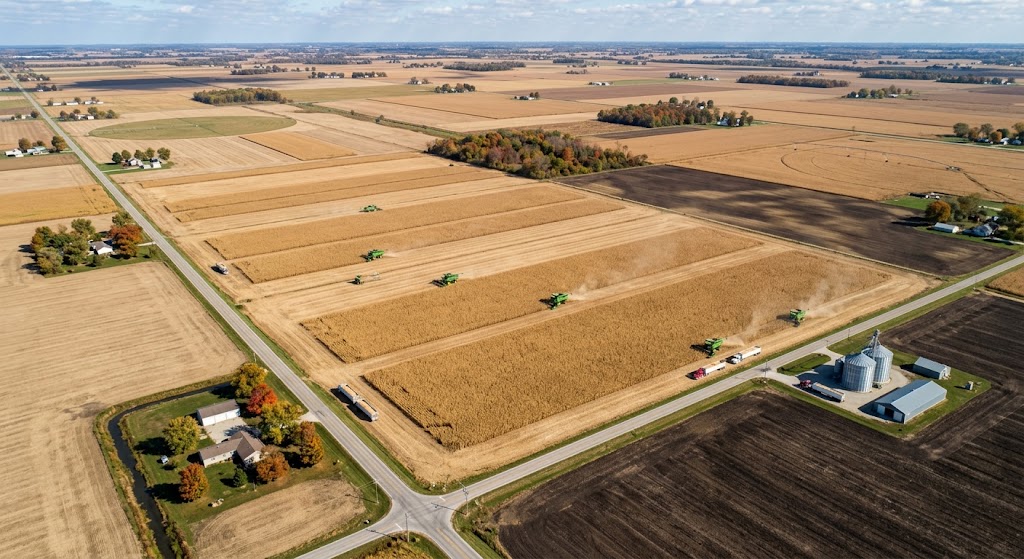
A lot of what I show buyers — especially in Fountain, Parke, Putnam, and Warren — sits on well water and a septic system, and neither is covered by a standard inspection. This comes up constantly on acreage and farm purchases; I cover well capacity, drainage, and access issues in more depth in Buying Farm Land in West Central Indiana. Indiana has no statewide program that locates or verifies septic systems at the point of sale — it is legal, and happens more often than you'd think, to buy a home in Indiana with a septic system that isn't actually working.
Radon: The Test Almost Nobody Asks For, and Everybody Should
Most of Indiana falls into the EPA's highest-risk radon zone, and the Indiana State Department of Health estimates roughly one in three Indiana homes tests above the EPA's action level of 4.0 picocuries per liter. Radon testing isn't legally required in Indiana and isn't automatically part of a standard inspection — you have to ask for it.
The Timeline: How Many Days You Actually Have
Indiana purchase agreements typically build in a 7–14 day inspection contingency period from acceptance, with the seller usually given 3–5 days to respond in writing. If you're financing with an FHA or VA loan, know that the appraisal and the inspection aren't the same safety net: VA loans require an appraisal but not an inspection. I break down the funding fee, eligibility, and other 2026 VA loan changes in The Complete Guide to Using a VA Loan to Buy a Home in Crawfordsville, Indiana.
What Happens After the Report
You generally have three paths: ask the seller to make repairs, negotiate a price reduction or closing credit instead, or walk away within your contingency window and keep your earnest money. An inspection report is a negotiating tool, not a mandate.
A Quick Checklist Before Inspection Day
- Confirm your inspector holds an active Indiana license (and ask about ASHI/InterNACHI certification)
- If you're on well or septic, schedule those separately
- Ask about radon testing specifically
- Know your contingency deadline before day one
- If using FHA or VA financing, understand what the appraisal requires separately from your inspection
Let's Walk Through It Together
I can't do the inspection myself, but I can make sure you know exactly what to ask for before you're standing in the driveway on inspection day. Call or text me at (765) 230-6335 before you write your offer.
This post is for general informational purposes and reflects Indiana law and industry practice as of mid-2026. It isn't legal or professional advice for any specific property.