If you've read my guide to buying farm land in West Central Indiana, you already know that farm ground doesn't price the way residential homes do. There's no "comp two doors down." Instead, Indiana farmland pricing runs on a number most buyers have never heard of: WAPI.
What WAPI Actually Is
WAPI stands for Weighted Average Productivity Index — Indiana's (and Ohio's and Michigan's) standard measure of soil productivity. It's built from USDA/NRCS soil survey data and expresses a farm's productivity potential in expected corn yield, measured in bushels per acre under normal management. In Indiana, WAPI scores typically range from below 100 up to around 188 bushels per acre, depending on soil type, drainage, and slope.
Unlike a yield in any given year — which depends on weather, seed, and management — WAPI is based on the soil's permanent physical characteristics. A wet spring or a drought doesn't move your WAPI score. That's exactly why appraisers and farm managers use it as a stable basis for comparing one farm to another.
Why WAPI Matters for Pricing
Here's the calculation that actually drives farmland value conversations: divide the sale price per tillable acre by the WAPI score, and you get a price-per-WAPI-point figure that can be compared across farms and across time.
For example: a farm that sells for $7,500 per acre with a WAPI of 150 works out to $50 per WAPI point. According to Halderman Farm Management, which tracks Indiana farmland sales closely, the average price per WAPI point ran around $50 from 2016–2020, climbed toward $80 in 2021, and was near $88 as of late 2025. That trend alone tells you more about where the farmland market is heading than a simple per-acre average ever could — two farms selling for the same price per acre can have very different WAPI scores, which means one was a much better deal than the other.
What This Means as a Buyer
If you've compared two listings and one seemed "cheap" for the acreage, WAPI is often the reason why. A lower WAPI score means lower long-term productivity — and lower cash rent potential if you're not farming it yourself. Before you make an offer on tillable ground anywhere in West Central Indiana, ask what the WAPI score is. If the seller's agent can't tell you, that's a red flag.
What This Means as a Seller
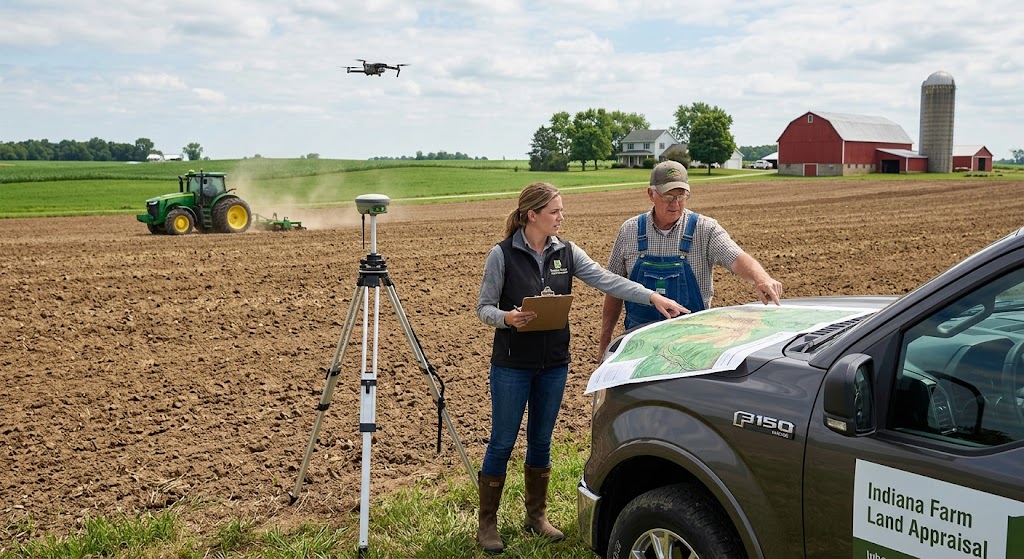
I've written before about what agricultural land is actually worth in Montgomery County, and WAPI is the backbone of that analysis. As a Certified Appraiser, I pull the WAPI data for your specific parcel before we ever talk price — not a countywide average, but your soil, your farm. That's the same rigor I bring to pricing farm and acreage property generally, just with the specific number behind it.
The Bottom Line
WAPI won't tell you everything about a farm's value — location, drainage tile, road frontage, and grain bin infrastructure all matter too. But it's the one number that lets you compare apples to apples across Indiana farmland, and most buyers never ask about it. That's a mistake I don't let my clients make.
Thinking about buying or selling farm ground in West Central Indiana? Reach out — I'll pull the WAPI data before we talk numbers.